

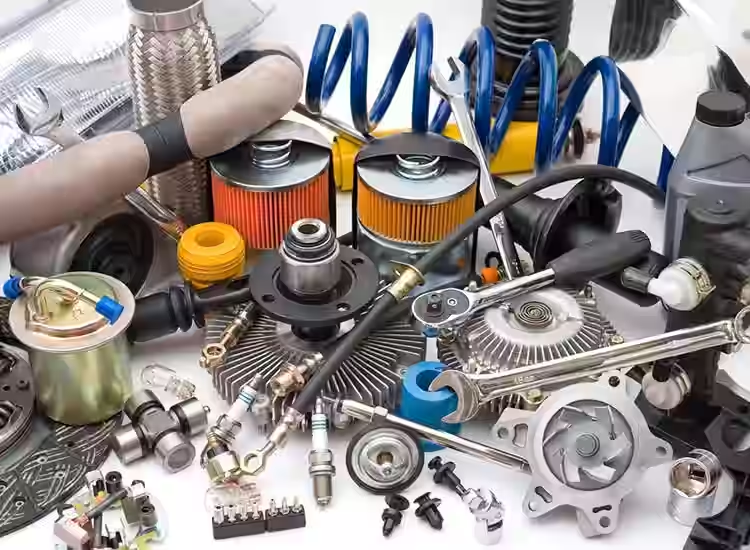
Auto part selection and maintenance play a direct role in how well a vehicle performs, how long it lasts, and how safely it operates. Whether it is replacing worn components or upgrading systems for better capability, an informed approach helps drivers avoid costly repairs and unnecessary breakdowns. Many drivers search for practical ways to make smarter decisions about replacement components, and the term auto part often appears early in that process because it represents the foundation of how every vehicle functions.
Understanding the construction, purpose, and failure points of common components is the first step to becoming confident with maintenance choices. When drivers learn how each system interacts with the next, they gain the ability to diagnose issues earlier, choose higher quality replacements, and avoid performance loss.
The Core Categories of Auto Parts
A modern vehicle consists of thousands of components. While each part serves a specific purpose, they can be organized into several key categories that define how a vehicle runs, handles, and protects its occupants.
Powertrain Components
The powertrain includes the engine, transmission, and the systems that deliver power to the wheels. These are the most critical components because they influence acceleration, fuel economy, and reliability.
Key elements include:
- Engine assemblies such as pistons, crankshafts, cylinder heads, and timing systems
- Transmission units including automatic, manual, and continuously variable setups
- Drive axles and differentials that transfer torque
- Cooling systems like radiators, thermostats, and water pumps
A single failure in the powertrain can take the vehicle off the road immediately. For example, a worn timing belt or chain can cause catastrophic engine damage if ignored.
Suspension and Steering Parts
Suspension systems support the weight of the vehicle and absorb road impact. A well maintained system improves ride stability, braking response, and tire longevity.
Common parts include:
- Control arms
- Ball joints
- Struts and shock absorbers
- Stabilizer links
- Power steering pumps and racks
A failing suspension part often shows early symptoms such as uneven tire wear, clunking noises, or excessive vibration.
Brake System Components
The braking system is among the most safety-critical categories. Every component must work in harmony to ensure responsive stopping power.
Major parts include:
- Brake pads and rotors
- Calipers
- Brake lines and hoses
- Master cylinder
- ABS sensors
Heat, friction, and moisture gradually wear these components down. Drivers who understand the materials used in pads, or the structural differences in rotors, make better choices for both performance and durability.
Electrical and Electronic Components
Modern vehicles rely heavily on electronic systems for everything from ignition to stability control.
■ Common electronic auto parts
- Alternators and starters
- Sensors such as mass airflow, oxygen, and wheel speed units
- Ignition coils
- Batteries
- Wiring harnesses
Electrical issues can be difficult to diagnose because failures sometimes occur intermittently. High quality parts help reduce the risk of repeated system faults.
Interior and Exterior Components
These parts focus on comfort, safety, and aesthetics. Although not mechanical, they influence overall vehicle value.
Examples include:
- Lighting assemblies
- Mirrors and window regulators
- Dash components and switches
- Seats and climate control pieces
Upgrading or maintaining these components ensures the vehicle remains functional and comfortable over time.
How to Evaluate Auto Part Quality
Choosing the right component can be challenging because materials, manufacturing processes, and engineering standards vary widely. Understanding the differences helps drivers invest in parts that last rather than simply purchasing the lowest priced option.
Material Strength and Durability
Different materials influence how long a part will last. For instance:
- Brake rotors made from high carbon alloys tend to resist heat better
- Suspension bushings crafted from polyurethane often outlast rubber versions
- Aluminum components reduce weight but may require more precise installation
Inspecting the material composition helps predict performance under real driving conditions.
Manufacturing Standards
Reliable components follow strict production guidelines. Drivers should look for parts that match or exceed the specifications originally designed for the vehicle. This ensures:
- Proper fit
- Optimal performance
- Safe operation under stress
Low quality components may appear similar but fail prematurely because of poor machining or incorrect tolerances.
Testing and Certification
Many parts undergo durability testing, corrosion resistance checks, and performance evaluations. Certified components often provide better reliability because they must meet minimum industry standards.
Real Life Performance Data
When reviewing an auto part, focus on long term experiences from drivers in similar climates or driving conditions. A component that performs well in cold environments may differ from one designed for high heat or extreme towing.
The Relationship Between Auto Parts and Vehicle Longevity
Vehicle lifespan is heavily influenced by component quality and maintenance habits. Even the strongest engines can fail early if supporting systems are neglected.
Wear Patterns and Failure Points
Every part has a predictable life cycle. For example:
- Brake pads typically last 25,000 to 70,000 miles depending on driving habits
- Spark plugs may last up to 100,000 miles in modern engines
- Timing belts often require replacement at 60,000 to 100,000 miles
Understanding these intervals helps prevent unexpected breakdowns.
Compatibility With Adjacent Components
Replacing a single worn part can affect neighboring systems. For instance:
- Installing stiffer suspension components may stress older bushings
- High performance brake pads may require upgraded rotors
- Electrical components with improper voltage outputs can damage sensors or modules
Evaluating how a replacement part interacts with existing equipment ensures balanced performance.
The Importance of Preventive Maintenance
Routine inspections allow drivers to replace failing parts early. Preventive care supports:
- Improved fuel efficiency
- Fewer mechanical surprises
- Longer intervals between major repairs
Small investments in regular maintenance protect the most important and expensive systems on the vehicle.
Advanced Topics in Auto Part Engineering
Modern automotive engineering continues to evolve, introducing new materials, smarter electronics, and more efficient manufacturing processes.
Lightweight Materials for Better Fuel Economy
Many automakers and aftermarket manufacturers use lightweight metals or composite materials to reduce the weight of key components. Lighter parts contribute to:
- Faster acceleration
- Better fuel economy
- More responsive handling
Examples include aluminum radiators, carbon fiber body panels, and forged wheels.
Hybrid and Electric Vehicle Components
Electric vehicles rely on specialized parts not used in traditional gasoline systems. These include:
- Battery modules
- Regenerative braking components
- High voltage wiring
- Inverters and controllers
Understanding these systems is essential as EV ownership continues to rise.
Smart Sensors and Digital Diagnostics
Modern vehicles incorporate advanced sensors that track detailed performance data. These devices help predict component failures by monitoring temperature, vibration, and electrical load.
How to Choose the Right Auto Part Supplier
The retailer or distributor matters as much as the component itself. A reputable supplier increases the likelihood of receiving reliable, properly matched parts.
Inventory and Part Matching Accuracy
Suppliers that maintain extensive databases help ensure:
- Accurate vehicle fitment
- Up to date part numbers
- Compatibility with modern engine management systems
Incorrect part matching is one of the most common causes of installation problems.
Return Policies and Part Support
Strong support systems indicate confidence in product quality. Drivers should always review:
- Return timelines
- Warranty conditions
- Access to customer service
A smooth return process becomes valuable when diagnosing complicated repairs.
Packaging and Shipping Quality
Parts must arrive without defects. Proper packaging prevents:
- Bending of delicate components
- Electrical connectors from breaking
- Surface corrosion from moisture exposure
Receiving a part in flawless condition simplifies installation and ensures long term reliability.
Practical Tips for Installing Auto Parts
Proper installation is just as important as choosing the right component. Even a high quality part can fail early if installed incorrectly.
Review Service Manuals Before Starting
Service manuals outline torque specifications, sequence patterns, and safety procedures. These details help prevent damage to both the part and nearby systems.
Use the Right Tools
Specialty automotive tools support accurate installation. Examples include:
- Torque wrenches
- Flare nut wrenches
- Sensor-safe sockets
- Alignment jigs
Correct tools reduce the risk of stripping bolts or misaligning sensitive components.
Inspect Surrounding Components
When replacing a single part, always examine neighboring items. Installing a new belt on worn pulleys or mounting fresh suspension parts onto rusted hardware often leads to premature wear.
Test Systems After Installation
Drivers should perform post installation checks that include:
- Visual inspection for leaks
- Test drives to verify handling and braking
- Electronic scans for stored fault codes
A thorough test prevents unseen issues from turning into costly repairs later.
Real Life Scenarios That Highlight the Importance of Auto Parts
Understanding how parts behave in real conditions helps drivers make practical decisions.
Long Distance Commuting
Drivers who put high mileage on their vehicles often wear out:
- Brake components
- Suspension parts
- Wheel bearings
- Exhaust systems
Upgrading to components designed for heavy use can significantly reduce downtime.
Towing and Hauling
Vehicles that regularly tow experience additional strain on:
- Transmissions
- Cooling systems
- Rear suspension components
Reinforced parts help handle the extra load safely.
Harsh Weather Conditions
Extreme climates accelerate wear on:
- Rubber gaskets and seals
- Electrical connectors
- Brake systems
- Cooling hoses
Parts engineered for temperature resistance offer better longevity.
FAQ
What are the most important auto parts to replace regularly?
Brake pads, engine filters, spark plugs, and belts typically require the most frequent attention because they handle constant wear during normal driving.
How do I know if a part fits my vehicle?
Check the part number, year, make, model, engine size, and any trim specific requirements. Many vehicles share similar components, but small changes in design make accurate part matching essential.
Are aftermarket auto parts reliable?
Yes, many aftermarket parts offer excellent performance and durability when sourced from reputable manufacturers. Quality varies, so look for components that match original specifications.
Why do some auto parts fail prematurely?
Premature failure can result from improper installation, low quality materials, harsh driving conditions, or ignoring early warning signs such as noise or vibration.
Should I replace multiple parts together?
When components work in pairs or groups, such as suspension bushings or brake rotors and pads, replacing them together ensures even performance and prevents accelerated wear.
If you’d like, I can also create more targeted articles about specific components like brake systems, suspension upgrades, or electrical diagnostics.
