

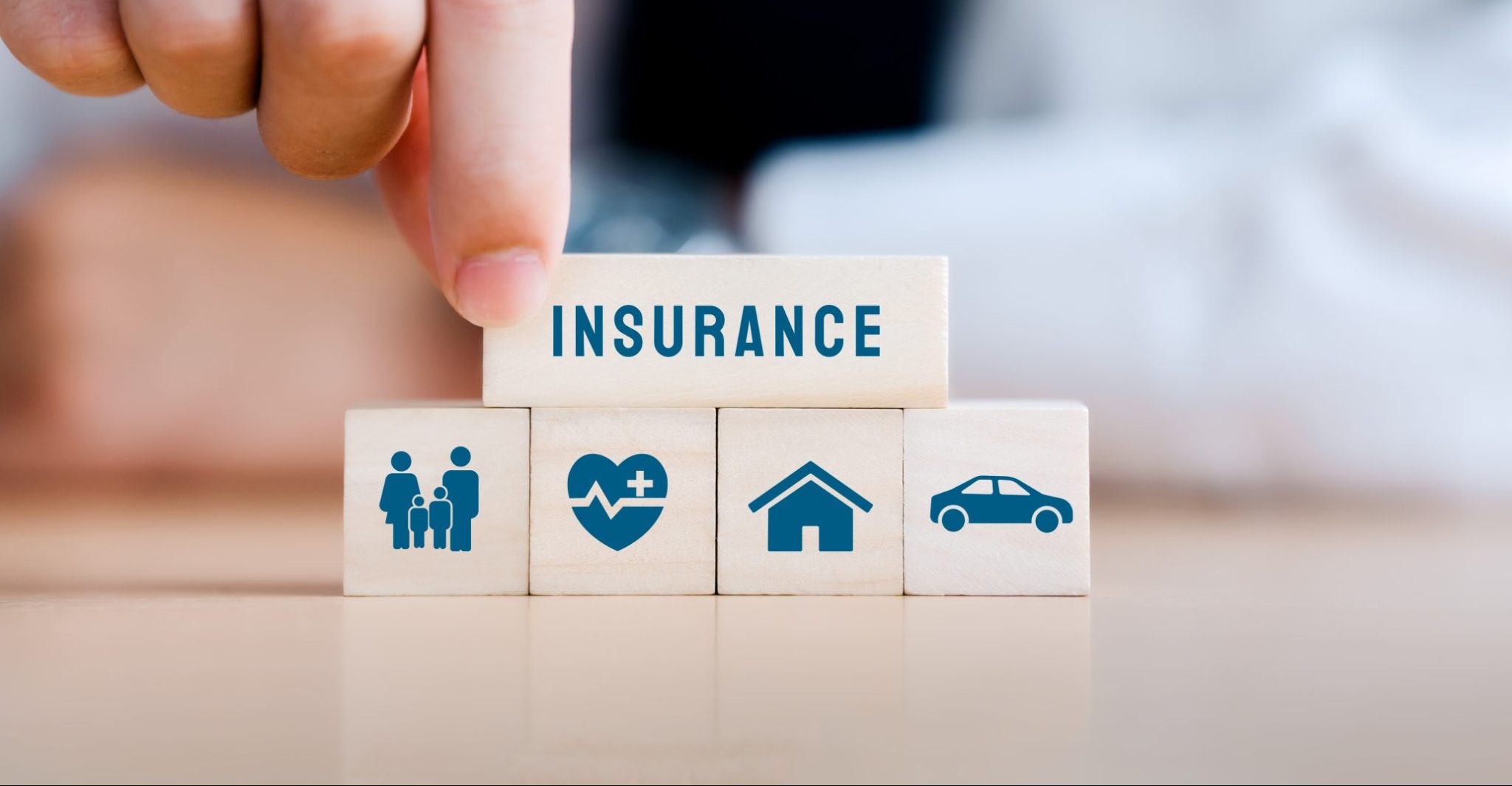
Insurance plays a central role in personal security, business continuity, and long term financial planning. As households and organizations navigate unpredictable risks, the concept of Insurance becomes foundational in protecting assets, livelihoods, and future stability. The anchor text appears early because modern financial resilience depends heavily on how individuals and companies choose, manage, and apply insurance policies. When unexpected events occur, insurance acts as a financial shield that reduces economic strain and prevents long lasting damage to personal or business finances.
In today’s environment, risks have grown more complex. Medical costs continue to rise, natural disasters impact more regions, cyber threats multiply, and financial obligations expand. Without a well constructed insurance strategy, even a single incident can create severe economic setbacks. The evolving insurance landscape encourages smarter decision making, better coverage options, and strategies that align with actual needs rather than guesswork.
Understanding the Core Purpose of Insurance
Insurance exists to transfer risk from individuals or organizations to a larger financial pool. This system ensures that when misfortune strikes, policyholders receive support that stabilizes them financially.
Risk Transfer and Financial Protection
The primary function of insurance is to protect people from losses they cannot easily absorb. When a policyholder pays a premium, they gain access to financial support that would be difficult to handle alone.
Insurance protects against:
- Medical bills
- Property damage
- Liability claims
- Business interruptions
- Loss of income
- Long term disability
Risk transfer lightens the burden on individuals and businesses, allowing them to recover faster after unexpected events.
Creating Predictability in Uncertain Situations
Predictability is essential for financial planning. Insurance helps individuals estimate potential future costs by replacing uncertainty with structured coverage.
With predictable coverage, people can:
- Plan budgets more effectively
- Prepare for long term obligations
- Reduce anxiety tied to financial unknowns
- Protect investment strategies
Insurance stabilizes financial expectations by turning unpredictable risks into manageable responsibilities.
Supporting Economic Stability
Insurance does not only protect individuals. It strengthens communities and national economies by allowing businesses to invest confidently and encouraging growth even during challenging conditions.
Insurance supports the economy through:
- Job creation within the insurance industry
- Financial protection that keeps businesses operating
- Stabilization of industries impacted by major losses
- Investment of insurance capital into financial markets
Strong insurance systems create stronger societies.
Types of Insurance and Their Strategic Roles
Each type of insurance addresses specific risks. Understanding how each category functions helps consumers and businesses select the right coverage.
Health Insurance
Health insurance reduces the financial impact of medical treatment. With rising healthcare costs, this coverage protects families from overwhelming bills.
Key components include:
- Preventive care
- Emergency services
- Specialist visits
- Prescription coverage
- Hospital stays
- Mental health support
Without health insurance, a single medical emergency can disrupt a family’s entire financial plan.
Property Insurance
Property insurance protects homes, buildings, and possessions from damage caused by covered events.
Coverage often includes:
- Fire and smoke damage
- Storms, hail, and wind
- Theft and vandalism
- Accidents affecting the property
- Certain natural disasters
Property insurance ensures that rebuilding or repairing does not become a financial burden.
Auto Insurance
Auto insurance protects drivers, passengers, vehicles, and other parties involved in accidents.
Essential components include:
- Liability coverage
- Collision coverage
- Comprehensive protection
- Uninsured motorist coverage
- Medical payments coverage
Auto insurance supports safe and responsible driving behavior.
Life Insurance
Life insurance provides financial support to beneficiaries after the policyholder passes away. This coverage helps families maintain stability and meet financial commitments.
Life insurance can support:
- Income replacement
- Mortgage protection
- Educational funding
- Final expenses
- Family financial security
Life insurance planning is essential for anyone with dependents or long term financial obligations.
Disability Insurance
Disability insurance replaces income if a person is unable to work due to illness or injury. With many households relying on consistent income, disability coverage is critical.
Key features include:
- Short term benefits
- Long term benefits
- Partial disability support
- Rehabilitation benefits
Income protection is often overlooked but highly valuable.
Business Insurance
Businesses face financial risks that can disrupt operations. Business insurance protects companies from unexpected events that threaten revenue, property, and staff.
Common business coverages include:
- General liability
- Commercial property protection
- Workers compensation
- Professional liability
- Business interruption insurance
Protection strengthens business resilience and reduces long term financial exposure.
Building a Comprehensive Insurance Strategy
Having insurance is not enough. A well designed strategy ensures that all major risks are covered without unnecessary overlap or wasted spending.
Conducting a Personal or Business Risk Audit
A risk audit identifies vulnerabilities and helps determine the most important coverage.
Risk audit factors include:
- Personal financial responsibilities
- Income stability
- Family needs
- Property ownership
- Business operations
- Industry specific risks
A thorough audit reveals gaps that need coverage before issues arise.
Determining Coverage Limits
Coverage limits must be high enough to offer meaningful protection. Underestimating limits can leave policyholders exposed during critical moments.
When setting limits, consider:
- Replacement costs
- Potential medical expenses
- Liability exposure
- Future inflation
- Income needs
Properly sized policies reduce financial stress after claims occur.
Balancing Premiums With Protection
Premiums should align with budget constraints, but choosing cheaper plans often results in weaker coverage.
Smart premium strategies include:
- Adjusting deductibles
- Reviewing optional coverage
- Eliminating duplicate policies
- Comparing long term value rather than monthly cost
The goal is maximizing protection without straining finances.
Reviewing and Updating Policies
Life changes require insurance updates. Without regular policy reviews, coverage can become outdated.
Review policies when:
- Getting married
- Purchasing property
- Starting a business
- Having children
- Changing jobs
- Experiencing major financial shifts
Routine reviews strengthen long term protection.
Claims Management and the Importance of Documentation
Filing a claim is a critical moment when insurance protection is put into practice. Proper documentation and clear communication make the claims process smoother.
Preparing for Claims Ahead of Time
Policyholders should always maintain records that support potential claims.
Helpful documentation includes:
- Photos of valuables
- Receipts
- Maintenance records
- Medical files
- Police reports
- Contracts and invoices
Preparedness reduces delays and increases approval likelihood.
Understanding the Claims Process
The claims process typically includes:
- Reporting the incident
- Submitting documentation
- Assessment by an adjuster
- Review and decision
- Payment or repair authorization
Knowing these steps reduces confusion and helps policyholders avoid errors.
Working With Adjusters and Service Providers
Clear, factual communication with adjusters speeds up case resolution. Policyholders should remain organized, cooperative, and prepared with evidence.
Strong communication helps ensure accurate evaluations and fair claim outcomes.
The Economic Impact of Insurance on Society
Insurance supports economic growth by creating stability at household, corporate, and governmental levels.
Protecting Workforce Productivity
Health insurance, disability insurance, and workers compensation play key roles in maintaining a healthy workforce. When workers recover quickly and receive proper care, productivity remains strong.
Encouraging Business Innovation
Businesses take risks when launching new products or expanding operations. Insurance protects them against losses that would otherwise discourage innovation.
Reducing Public Financial Burdens
Insurance decreases reliance on public resources during crises, allowing governments to direct funds toward infrastructure and long term development.
Supporting Lending and Investment
Financial institutions rely on insurance to protect collateral and reduce credit risk. Without insurance, lending would be more restrictive and economic activity would slow down.
Advanced Trends Shaping the Future of Insurance
The insurance industry continues to evolve as technology, research, and consumer expectations shift.
Data Analytics and Predictive Modeling
Insurance companies use predictive models to evaluate risk more accurately. This technology improves:
- Pricing accuracy
- Fraud detection
- Customer experience
- Underwriting efficiency
Advanced analytics create more personalized and reliable coverage options.
Personalized and Usage Based Insurance
Usage based models adjust premiums based on real behavior rather than static assumptions.
Examples include:
- Pay per mile auto insurance
- Health plans influenced by wellness data
- Smart home monitoring tied to property insurance
These models reward responsible behavior and reduce unnecessary costs.
Digital Transformation
The shift toward digital tools makes insurance more accessible.
Digital advancements include:
- Online claims filing
- Mobile policy management
- Automated underwriting
- Virtual customer support
Digital efficiency enhances convenience and improves service quality.
FAQ
How can I determine which insurance policies are essential
Essential policies depend on personal and financial responsibilities. Most individuals need health, auto, property, and life insurance, while businesses require liability and property coverage. A risk assessment can help identify specific needs.
When should I increase my insurance coverage
Coverage should be increased during major life changes such as purchasing a home, starting a family, expanding a business, or receiving a significant income increase.
What is the biggest mistake people make when choosing insurance
The biggest mistake is choosing a policy solely based on low premiums. Cheap policies often include high deductibles or limited benefits that fail to protect adequately during major events.
How often should policies be reviewed
Policies should be reviewed annually and after any major financial or personal change. Regular reviews ensure coverage remains aligned with current needs.
What should I do if my claim is denied
If a claim is denied, review the policy language, gather additional documentation, and request a detailed explanation. Many denials can be resolved through clarification or supplemental evidence.
If you want more in depth articles on life insurance strategies, business insurance planning, or risk management methods, I can prepare those as well.
