

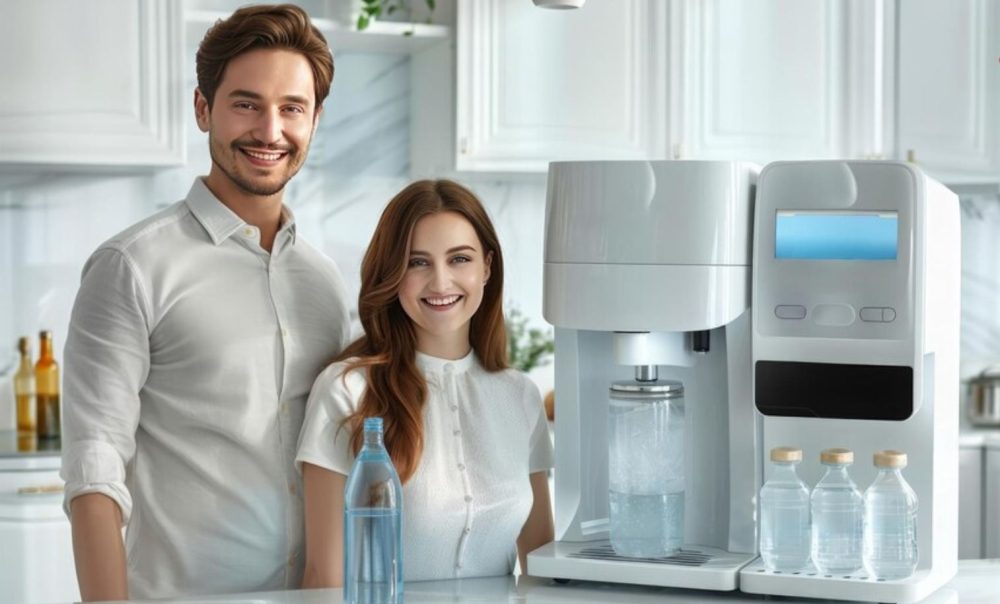
Clean water is essential to good health, but not all water that looks clean is actually safe to drink. One of the most important things people often overlook is TDS (Total Dissolved Solids.) These are the dissolved minerals, salts, metals, and other substances that can be found in your water supply.
TDS levels don’t just affect taste, they tell you a lot about whether the water is safe or needs further treatment. Some minerals in small amounts are beneficial. But if the levels are too high, the water may carry harmful substances that are invisible and unsafe for regular consumption.
Understanding What TDS Means for Your Home
TDS is measured in parts per million (ppm). According to the Bureau of Indian Standards (BIS), the ideal TDS level for drinking water is under 500 ppm. If the TDS crosses that limit, it’s often a sign that the water contains excess salts, metals like lead or arsenic, or other industrial residues.
In Indian homes, water often comes from sources like borewells, tankers, or a combination of municipal supply and storage tanks. These sources typically bring high TDS levels. The first step in choosing the right water purifier is understanding your local water source.
Matching TDS Levels to the Right Filtration
If the TDS in your water is below 200 ppm, a simple UV or carbon based filter may be enough to remove bacteria and improve the taste. But high TDS water, with anything above 500 ppm, requires a much stronger filtration process. That’s where you need a Reverse Osmosis (RO) water purifier.
RO systems are designed to remove even the smallest dissolved particles. They push water through a special membrane that filters out salts, heavy metals, and chemicals.However, not all RO purifiers are the same. Some may remove the bad stuff, but they also strip away essential minerals, leaving the water flat or unbalanced.
Look for a water purifier that not only reduces harmful contaminants but also helps restore healthy minerals so you get both safety and nutrition in every glass.
Other Things to Consider
It’s not just about what’s removed from your water, it’s also about how easily the purifier fits into your daily routine. Features like automatic tank cleaning, water saving modes, and smart displays make a big difference over time. Placement also matters. Some families need a compact tabletop design, while others prefer wall mounted units to save space.
Don’t forget to check service availability and maintenance requirements. A purifier that looks good but is hard to maintain can become a hassle later.
One Purifier That Checks All the Boxes
If you’re looking for a reliable option that tackles high TDS levels and fits easily into your lifestyle, the AO Smith ProPlanet P8 is worth exploring. With its advanced RO + Silver Charged Membrane Technology and an 8-stage purification system, it delivers 100% RO purified water while adding back essential minerals through a Copper Fortified Mineraliser. The model offers 5-star water saving performance. It’s a well rounded solution for homes that need a dependable and health focused water purifier.
